Friday, 12 April 2013

Narrative theory research


Here is my Prezi presentation introducing the narrative theories and how they relate to my documentary film.

Textual Analysis - Freeling

As a passionate skateboarder and filmmaker when I came across this documentary I was amazed by the concept behind the video, the imagery and story that was portrayed through the documentary. The director Andrew Lovgren takes a very artistic approach to the filming using a lot of slow motion and natural lighting which results in a greater viewing pleasure. The documentary cuts between interview footage and images of the skateboarders cruising through the city. I wanted to use this technique in my documentary film as I was using a lot of dialogue from interview footage. The concept of this video is similar to that of what I had wanted to do, however had taken a different approach to what "freedom" meant to them. The atmospheric music adds to the epic nature of the film and the emotions that the skateboarders are displaying about their sport. It has a big positive effect on the way the audience views the film and the emotions they feel towards the topic and the people within the film.

The use of the soundtrack also has a big impact on the overall feel to the documentary it gives the film an almost dreamlike atmosphere and focuses the audiences full attention on the skateboarders moving through the city. The use of slow motion throughout also adds to the slow paced relaxed atmosphere, giving the audience time to reflect on the words of the voice over and the interview sections.


Thursday, 11 April 2013

Textual analysis - "Portrait of my Father"


I found this short documentary when browsing through the web at various video sites and began watching it and sat completely engrossed throughout the whole video. This may not be a high budget, big name type of documentary but the techniques and camera work that are used are done so in a very artistic and precise way so that audience become entirely involved into the story and emotions of the main actor. 

The opening scene introduces photographer Brendan Klems, the film's narrator, telling his account of his life and story. The black and white slow motion imagery straight away sets the scene to be an emotional and intimate relationship between the audience and the character. The soft ambient background music also has a big impact on the audience and creates a 'feel good' atmosphere for the rest of the film. Throughout the majority of the first section the voiceover of Brendan is the only audio present. This focuses the audience's attention onto that and that only, which is used extremely effectively in this film. You, as the viewer, can relate directly to it and be involved with the character. As the story of Brendan's dad enters the narrative the imagery of his old photos and the soft mournful music in the background causes an emotional response from the audience. The use of the old print photos and seeing the emotion on the faces of Brendan and his mother and hearing it in their voices brings out the reality of the film and this is portrayed in an artistic and gripping away which further draws the audience into the story. The shots during this reminiscent section are very elongated to give time for the audience to think and reflect on the images they have seen. The use of the voiceover continues throughout the whole film and tells his story and as he begins to tell the audience of his current photography work, the music changes and becomes more upbeat and the overall mood to the film becomes more positive and uplifting. The ending of the film displays a number of black and white images much like during the intro which concludes the story and gives time for the audience to reflect on what they have seen and the emotions they are feeling. 

Although the film involves a very emotional and difficult topic of loss and grief, the cinematography and use of the monologue makes it stand out from many documentaries I have watched. It creates an intimate relationship between the audience and the characters which is very difficult to do but in this case is used extremely well.


Saturday, 23 March 2013

Final Cut Pro 7 software


In post production for this documentary project I used the editing software Final Cut Pro 7.
I was taught the basic techniques and shortcuts to the software by a friend who had been using the software for a long time and knew it well. I had practiced using the software on a few previous projects so that by the time I came round to editing this project I knew what I was doing and was confident in using it so I could concentrate on the film's content more than the editing process.
During this project I also experimented with colour grading and colour correction to ensure that my shots were vibrant enough to show India to its full potential in terms of its vast variety of colours and landscapes. I thoroughly enjoyed this process and developed my knowledge and skills of how to operate the software and use it to its fullest potential.

Here are some screenshots of examples of processes and techniques I used when editing with this piece of software.


Here is an overview shot of the timeline in Final Cut Pro where the editing process takes places. There are 2 video tracks and multiple audio tracks which gives me the ability to play multiple audio files at one time such as ambient background music, the non diegetic voiceover and diegetic sounds from the surroundings. 


During the interview with Jos I used the SmoothCam effect which increases the stability of the image as I did not have access to a tripod at the time. This effect resulted in a smoother outcome making a more stable image for the audience.


In the Browser window in the top left corner shows the number of original media files that were used within the production of the film, including video files, audio files and still images.


Tuesday, 12 March 2013

Filming diary

Day 1 - 
Still jet lagged from the day travelling before I walked into the town we're staying in on the outskirts of Pune to look around city and find potential filming locations. At the end of the road we were staying on was the main city road where I was able to film a number of B-roll shots, for example the traffic passing by and lanterns at the side of the road which were there for the Diwali festival. The weather was extremely hot and stuffy in contrast to the English weather so was a short filming trip until we headed back to the place we were staying at to refill with water and rest for the days ahead.

Day 2 -
On the morning of day 2 I got into a minibus to take us to the centre we would be working at and used my external sound recorder to record some of the music that was playing on the local Indian radio stations which I could use as background music in my final piece. We then returned in the afternoon to where we were staying so I used this opportunity to walk around the city and the area we were staying to shoot more B-roll footage of the natural surroundings and the establishing shots of the city that could be used in the opening. As I was filming I heard the sound of bongo drums playing in the distance so I decided I would try and find the source of the music. After 5-10 mins I found a bongo band who were practicing. I explained to them my project and they allowed me to record some of their music to be used within the film. I then stayed for another 15 mins whilst they asked me questions about England. In the evening I took my first ride in an autoricshaw which is the Indian version of a taxi, however it's more like a motorbike with a roof. Having said this I was able to capture great shots out of the side showing the travel through the whole city and 'madness' of the city and environment they live in.

Day 3 - 
In the afternoon of Day 3 I was introduced to Jos who was the leader of an organisation that took women who were in slavery and gave them jobs and skills to make a new start to life. He told us some amazing stories of the people he works with. I knew this would be a great opportunity for me to find out first hand what "Freedom" meant to him. I approached him at the end of his talk to us and asked him whether it would be possible to interview him for my project. He was more than happy to and I gave him the question I wanted to ask and without any further direction spoke for 6 minutes straight on the concept of freedom. It was a mad rush in order to make the shot perfect and I ran into my first technical problems when the memory card ran out of space mid take. In the end everything fell into place and it was a perfect opportunity that I am fortunate to have found and gave me the interview I could base the documentary film around.

Day 4 - 
The evening of Day 4 brought on the first day of the Diwali festival celebrations, which meant the city was jam packed with people messing around with fireworks at the side of the road and incredible paintings on the floor of the streets. This was a golden opportunity to get a lot of B-roll footage of the people in the city celebrating and many shots of fireworks in the sky. In the evening me and my dad both set up our tripods on the roof and experimented with our cameras taking photos of the fireworks.

All in all the trip to Pune, India was a great opportunity and a gold mine for incredible footage that was impossible to capture every last image of. The camera and sound equipment worked extremely well and made filming and post production quicker and easier and improved the quality of the final product massively.

Photography album

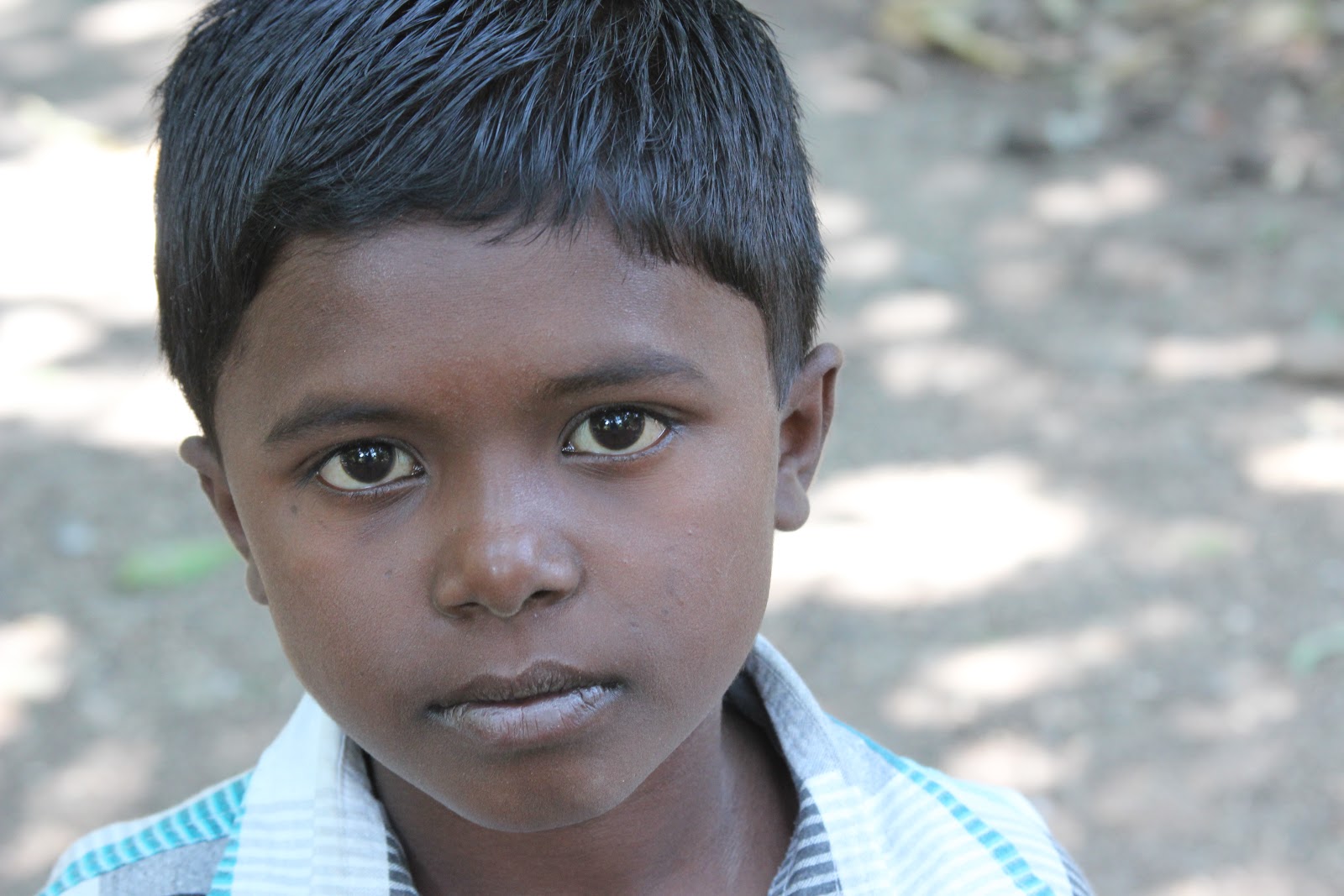
When out in India I also used this opportunity to take a number of different photos to take home as memories and also to show the vibrant culture and environment out there. Here is a short selection of my favourite photos.